The Truth About Mark Levin's Health: Does He Have Parkinson's?
 Sophia Terry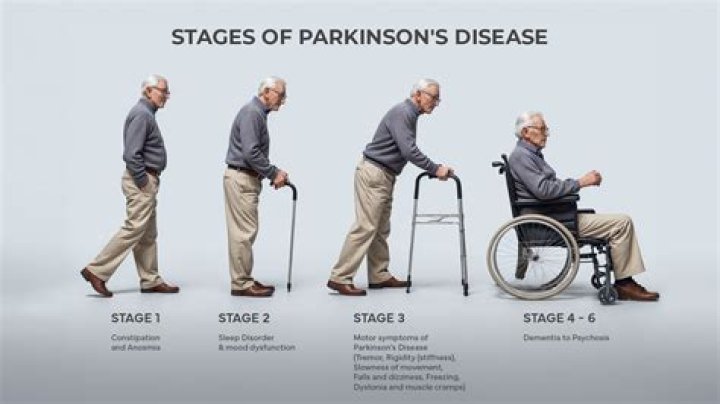
Mark Levin, a popular conservative radio host, has been the subject of speculation regarding his health, with many wondering if he has Parkinson's disease.
Parkinson's disease is a progressive neurological disorder that affects movement, often causing tremors, stiffness, and difficulty with balance and coordination. While Mark Levin has not publicly disclosed any diagnosis of Parkinson's disease, some viewers have noticed tremors in his hands and facial expressions, leading to questions about his health.
It's important to note that speculating about someone's health based on their appearance can be misleading and harmful. Without a formal diagnosis from a medical professional, it's impossible to say for certain whether or not Mark Levin has Parkinson's disease.
If you're concerned about your own health or that of a loved one, it's always best to consult with a qualified medical professional.
does mark levin have parkinsons
Mark Levin is a popular conservative radio host who has been the subject of speculation regarding his health, with many wondering if he has Parkinson's disease. While Mark Levin has not publicly disclosed any diagnosis of Parkinson's disease, some viewers have noticed tremors in his hands and facial expressions, leading to questions about his health.
- Symptoms: Tremors, stiffness, difficulty with balance and coordination
- Diagnosis: Based on a physical exam and medical history
- Treatment: Medications, physical therapy, speech therapy
- Prognosis: Varies depending on the individual
- Impact: Can affect daily activities, work, and social life
- Support: Available through support groups and organizations
Parkinson's disease is a progressive neurological disorder that affects movement. It is caused by a loss of dopamine-producing cells in the brain. Dopamine is a neurotransmitter that helps control movement. As dopamine levels decrease, symptoms of Parkinson's disease can develop. These symptoms can include tremors, stiffness, difficulty with balance and coordination, and speech problems.
There is no cure for Parkinson's disease, but treatments are available to help manage the symptoms. These treatments include medications, physical therapy, and speech therapy. The prognosis for Parkinson's disease varies depending on the individual. Some people may experience a slow progression of symptoms, while others may experience a more rapid decline.
Personal details and bio data of Mark Levin:
| Name | Mark Levin |
|---|---|
| Occupation | Radio host, author, lawyer |
| Birth date | September 21, 1957 |
| Birth place | Philadelphia, Pennsylvania |
| Education | Temple University (B.A.), Villanova University School of Law (J.D.) |
| Political party | Republican |
Symptoms
Tremors, stiffness, difficulty with balance and coordination are all common symptoms of Parkinson's disease. These symptoms are caused by a loss of dopamine-producing cells in the brain. Dopamine is a neurotransmitter that helps control movement. As dopamine levels decrease, symptoms of Parkinson's disease can develop.
The severity of these symptoms can vary from person to person. Some people may experience only mild tremors, while others may have more severe symptoms that affect their daily activities. There is no cure for Parkinson's disease, but treatments are available to help manage the symptoms.
If you are experiencing any of these symptoms, it is important to see a doctor to get a diagnosis. Early diagnosis and treatment can help to slow the progression of the disease and improve quality of life.
Diagnosis
A physical exam and medical history are essential components in diagnosing Parkinson's disease. During a physical exam, a doctor will assess your movement, coordination, and reflexes. They will also ask you about your symptoms, medical history, and family history. This information can help the doctor to determine if you have Parkinson's disease or another condition with similar symptoms.
There is no single test that can diagnose Parkinson's disease. However, a physical exam and medical history can help your doctor to make a diagnosis. Early diagnosis and treatment can help to slow the progression of the disease and improve quality of life.
If you are experiencing symptoms of Parkinson's disease, it is important to see a doctor right away. Early diagnosis and treatment can make a big difference in your quality of life.
Treatment
Medications, physical therapy, and speech therapy are the primary treatments for Parkinson's disease. Medications can help to improve symptoms such as tremors, stiffness, and difficulty with balance and coordination. Physical therapy can help to improve range of motion and flexibility, and speech therapy can help to improve speech and swallowing.
There is no cure for Parkinson's disease, but these treatments can help to improve quality of life and slow the progression of the disease. It is important to start treatment as early as possible to get the best results.
If you are diagnosed with Parkinson's disease, your doctor will work with you to develop a treatment plan that is right for you. This plan may include medications, physical therapy, speech therapy, or a combination of these treatments.
Prognosis
The prognosis for Parkinson's disease varies depending on the individual. Some people may experience a slow progression of symptoms, while others may experience a more rapid decline. There is no way to predict how the disease will progress in any given individual. However, early diagnosis and treatment can help to slow the progression of the disease and improve quality of life.
- Age at onset: The age at which someone develops Parkinson's disease can affect the prognosis. People who develop the disease at a younger age tend to have a more rapid progression of symptoms than those who develop the disease at an older age.
- Severity of symptoms: The severity of symptoms at the time of diagnosis can also affect the prognosis. People with more severe symptoms tend to have a more rapid progression of the disease than those with milder symptoms.
- Response to treatment: The response to treatment can also affect the prognosis. People who respond well to treatment tend to have a slower progression of symptoms than those who do not respond well to treatment.
- Overall health: The overall health of the individual can also affect the prognosis. People with other health conditions may be more likely to experience a more rapid progression of symptoms than those who are otherwise healthy.
It is important to note that the prognosis for Parkinson's disease is not always clear-cut. Some people may experience a slow progression of symptoms for many years, while others may experience a more rapid decline. There is no way to predict how the disease will progress in any given individual.
Impact
Parkinson's disease can have a significant impact on daily activities, work, and social life. Symptoms such as tremors, stiffness, and difficulty with balance and coordination can make it difficult to perform everyday tasks, such as getting dressed, eating, and walking. People with Parkinson's disease may also experience cognitive and emotional changes, which can affect their ability to work and socialize.
- Impact on daily activities: Parkinson's disease can make it difficult to perform everyday tasks, such as getting dressed, eating, and walking. People with Parkinson's disease may also experience fatigue and difficulty sleeping, which can further impact their ability to participate in daily activities.
- Impact on work: Parkinson's disease can make it difficult to work, especially in jobs that require fine motor skills or coordination. People with Parkinson's disease may also experience cognitive and emotional changes, which can affect their ability to concentrate and make decisions.
- Impact on social life: Parkinson's disease can make it difficult to socialize, especially in situations that require a lot of movement or coordination. People with Parkinson's disease may also experience social anxiety and depression, which can further impact their ability to socialize.
The impact of Parkinson's disease on daily activities, work, and social life can vary depending on the severity of the symptoms. People with mild symptoms may be able to continue working and participating in social activities, while people with more severe symptoms may need to make significant changes to their lifestyle.
Support
Individuals with Parkinson's disease, including those who may be speculating about Mark Levin's health, can find support through various organizations and groups.
- Support Groups: Joining a support group provides individuals with Parkinson's disease the opportunity to connect with others who are experiencing similar challenges. These groups offer emotional support, practical advice, and a sense of community.
- Organizations: Several organizations provide support and resources to individuals with Parkinson's disease and their families. These organizations offer a range of services, including educational programs, support groups, and advocacy efforts.
- Online Communities: Online forums and social media groups provide a platform for individuals with Parkinson's disease to connect with others, share experiences, and access information.
- Caregivers: Family members and friends who provide care for individuals with Parkinson's disease also benefit from support groups and organizations. These groups offer emotional support, respite care, and education on caregiving.
Support groups and organizations play a vital role in providing emotional, practical, and educational support to individuals with Parkinson's disease and their loved ones. By connecting with others, sharing experiences, and accessing resources, individuals can cope with the challenges of Parkinson's disease and improve their quality of life.
Frequently Asked Questions about Parkinson's Disease and Mark Levin
Here are some answers to frequently asked questions about Parkinson's disease and Mark Levin:
Question 1: Does Mark Levin have Parkinson's disease?
Mark Levin has not publicly disclosed any diagnosis of Parkinson's disease. However, some viewers have noticed tremors in his hands and facial expressions, leading to speculation about his health.
Question 2: What are the symptoms of Parkinson's disease?
The symptoms of Parkinson's disease can include tremors, stiffness, difficulty with balance and coordination, speech problems, and cognitive and emotional changes.
Question 3: What causes Parkinson's disease?
The exact cause of Parkinson's disease is unknown, but it is believed to be caused by a combination of genetic and environmental factors.
Question 4: Is there a cure for Parkinson's disease?
There is currently no cure for Parkinson's disease, but there are treatments that can help to manage the symptoms.
Question 5: How is Parkinson's disease treated?
Parkinson's disease is treated with a combination of medications, physical therapy, speech therapy, and lifestyle changes.
Question 6: What is the prognosis for Parkinson's disease?
The prognosis for Parkinson's disease varies depending on the individual. Some people may experience a slow progression of symptoms, while others may experience a more rapid decline.
Summary: Parkinson's disease is a complex neurological disorder that can have a significant impact on an individual's life. While there is currently no cure, there are treatments that can help to manage the symptoms and improve quality of life.
Next: Learn more about the impact of Parkinson's disease on daily life and the support available to individuals and their families.
Conclusion
Mark Levin's health has been the subject of speculation, with some wondering if he has Parkinson's disease. While Levin has not publicly disclosed a diagnosis, the condition's symptoms and potential impact warrant attention.
Parkinson's disease affects movement and coordination, potentially leading to tremors, stiffness, and balance issues. While its cause is not fully understood, genetic and environmental factors are believed to play a role. Though there's no cure, treatments can alleviate symptoms and improve quality of life.
As with any health concern, it's crucial to seek professional medical advice for an accurate diagnosis and appropriate treatment plan. For individuals with Parkinson's disease, support groups and organizations offer a valuable network for sharing experiences, gaining information, and accessing resources.
Understanding Parkinson's disease and its potential implications can help us approach discussions about Mark Levin's health with empathy and respect for the complexities involved.
Brad William Henke's Wife: A Closer Look At His Personal Life
Sign In To Voxer - Stay Connected With Voxer Login
Sell Your Electronics At GameStop: Cash In Today!