Real Heavyweight: The Legendary Mike Tyson
 James Rogers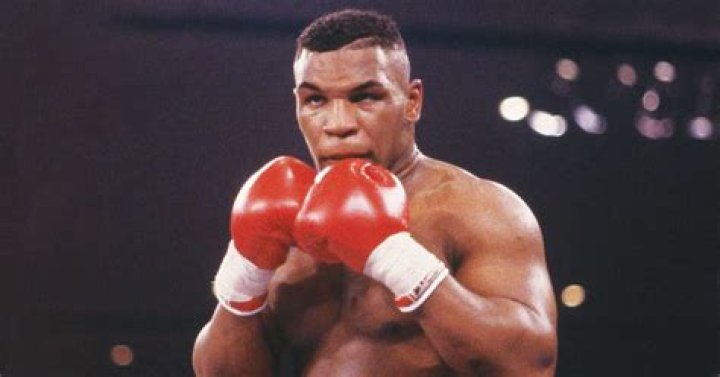
Who is the youngest heavyweight boxing champion ever? The answer: Mike Tyson!
Mike Tyson, nicknamed "Iron Mike" and "Kid Dynamite" in his early career, is a former professional boxer who competed from 1985 to 2005. He is a two-time world heavyweight champion, holding the WBA, WBC and IBF titles from 1987 to 1990. Tyson is considered to be one of the greatest heavyweight boxers of all time.
Tyson was born in Brooklyn, New York, and began boxing at the age of 13. He had a successful amateur career, winning the gold medal at the 1982 Junior Olympics. He turned professional in 1985 and quickly rose through the ranks, winning his first 19 fights by knockout. In 1986, he won the WBC heavyweight title by defeating Trevor Berbick in the second round. He followed this up by winning the WBA and IBF titles in 1987, becoming the undisputed heavyweight champion at the age of 20.
Tyson's career was marked by both success and controversy. He was convicted of rape in 1992 and served three years in prison. He also struggled with drug addiction and financial problems. Despite these setbacks, he made a comeback in the late 1990s and won the WBC heavyweight title for a second time in 2002. However, he lost the title in his next fight to Lennox Lewis. Tyson retired from boxing in 2005 with a record of 50 wins, 6 losses, and 2 no contests.
Mike Tyson
Mike Tyson, nicknamed "Iron Mike" and "Kid Dynamite," is a former professional boxer who competed from 1985 to 2005. He is a two-time world heavyweight champion, holding the WBA, WBC, and IBF titles from 1987 to 1990. Tyson is considered to be one of the greatest heavyweight boxers of all time.
- Birth Name: Michael Gerard Tyson
- Nickname: Iron Mike, Kid Dynamite
- Born: June 30, 1966, Brooklyn, New York
- Height: 5 ft 11 in (180 cm)
- Reach: 71 in (180 cm)
- Boxing Record: 50 wins, 6 losses, 2 no contests
- Titles Held: WBA, WBC, IBF Heavyweight Champion
Tyson's career was marked by both success and controversy. He was convicted of rape in 1992 and served three years in prison. He also struggled with drug addiction and financial problems. Despite these setbacks, he made a comeback in the late 1990s and won the WBC heavyweight title for a second time in 2002. However, he lost the title in his next fight to Lennox Lewis. Tyson retired from boxing in 2005.
Tyson is a controversial figure, but there is no doubt that he is one of the greatest heavyweight boxers of all time. His combination of power, speed, and intimidation made him a formidable opponent. He was also a master of self-promotion and became one of the most famous athletes in the world.
Birth Name
Michael Gerard Tyson, better known as Mike Tyson, is a former professional boxer who competed from 1985 to 2005. He is a two-time world heavyweight champion, holding the WBA, WBC, and IBF titles from 1987 to 1990. Tyson is considered to be one of the greatest heavyweight boxers of all time.
Tyson's birth name is significant because it reflects his given identity before he became famous as a boxer. The name "Michael Gerard Tyson" is more personal and formal, while the nickname "Mike Tyson" is more closely associated with his boxing career. The use of his birth name in this context serves to remind us of the person behind the public persona.
It is also important to note that Tyson's birth name is a combination of English and Irish names. The name "Michael" is of Hebrew origin and means "who is like God?". The name "Gerard" is of Germanic origin and means "brave spear". These names reflect Tyson's diverse heritage and upbringing.
In conclusion, Tyson's birth name is an important part of his identity, both as a person and as a boxer. It is a reminder of his given identity and his diverse heritage.
Nickname
Mike Tyson's nicknames, "Iron Mike" and "Kid Dynamite," are significant because they reflect his boxing style and personality. The nickname "Iron Mike" was given to him by his trainer, Cus D'Amato, because of his relentless punching power and ability to withstand punishment. The nickname "Kid Dynamite" was given to him by boxing commentator Howard Cosell because of his explosive punching power and his young age when he first became a professional boxer.
Tyson's nicknames are important because they help to define his legacy as a boxer. The nickname "Iron Mike" is synonymous with his power and toughness, while the nickname "Kid Dynamite" is synonymous with his speed and explosiveness. These nicknames are also a reminder of Tyson's humble beginnings. He was a poor kid from Brooklyn who overcame many obstacles to become one of the greatest heavyweight boxers of all time.
In conclusion, Tyson's nicknames are an important part of his identity as a boxer. They reflect his style, personality, and legacy. These nicknames are also a reminder of his humble beginnings and the challenges he overcame to become a champion.
Born
Mike Tyson was born on June 30, 1966, in Brooklyn, New York. His birthplace and upbringing had a profound impact on his life and boxing career.
- Early Environment and Influences
Tyson grew up in a tough neighborhood and was exposed to violence and crime at a young age. This environment shaped his aggressive personality and fighting style.
- Local Boxing Culture
Brooklyn has a rich boxing history, and Tyson was inspired by local fighters such as Joe Louis and Floyd Patterson. He began training at a local boxing gym at the age of 13.
- Meeting Cus D'Amato
Tyson met Cus D'Amato, a legendary boxing trainer, when he was 13 years old. D'Amato took Tyson under his wing and became his mentor and father figure. D'Amato taught Tyson the fundamentals of boxing and instilled in him a strong work ethic.
- Amateur Success
Tyson had a successful amateur career, winning the gold medal at the 1982 Junior Olympics. His amateur record was 24-2 with 22 knockouts.
Tyson's birthplace and upbringing played a major role in his development as a boxer. He was exposed to violence and crime at a young age, which shaped his aggressive personality and fighting style. He was also inspired by the local boxing culture in Brooklyn and met Cus D'Amato, who became his mentor and father figure. Tyson's amateur success set the stage for his professional career, which would see him become one of the greatest heavyweight boxers of all time.
Height
Mike Tyson's height of 5 ft 11 in (180 cm) was a significant factor in his success as a boxer. His height gave him a reach advantage over many of his opponents, which he used to his advantage to keep them at bay and land his powerful punches from a distance.
In addition, Tyson's height allowed him to generate more power in his punches. This was due to the fact that he had more leverage to throw his punches, which resulted in greater force and impact. Tyson's punching power was one of his most feared attributes, and it was a major factor in his success in the ring.
However, Tyson's height also had some disadvantages. For example, he was not as agile as some of his shorter opponents, and he could be vulnerable to being knocked out by a well-timed punch. Nevertheless, Tyson's height was a major asset to him in the boxing ring, and it played a significant role in his success as a heavyweight champion.Tyson's height is a reminder that physical attributes can play a significant role in athletic success. In boxing, height can be a major advantage, as it can give a fighter a reach and power advantage over their opponents. However, it is important to note that height is not the only factor that determines success in boxing. Other factors, such as skill, speed, and power, are also important.
Reach
Mike Tyson's reach of 71 in (180 cm) was a significant factor in his success as a boxer. His reach gave him a significant advantage over many of his opponents, allowing him to keep them at bay and land his powerful punches from a distance.
- Advantage in Jabbing
Tyson's long reach allowed him to jab effectively, keeping his opponents at a distance and setting up his power punches. His jab was one of his most effective weapons, and it helped him to control the pace and distance of his fights.
- Power Generation
Tyson's reach also allowed him to generate more power in his punches. This was due to the fact that he had more leverage to throw his punches, which resulted in greater force and impact. Tyson's punching power was one of his most feared attributes, and it was a major factor in his success in the ring.
- Defense and Avoidance
Tyson's reach also helped him defensively. He was able to use his long arms to block and parry punches, and he was also able to keep his opponents at a distance, making it difficult for them to land clean shots. Tyson's reach was a major asset to him in the boxing ring, and it played a significant role in his success as a heavyweight champion.
- Vulnerability to Counter-Punching
While Tyson's reach gave him many advantages, it also made him vulnerable to counter-punching. Opponents who were able to get inside Tyson's reach could land clean shots, and this was one of the ways that Tyson was defeated in some of his fights. However, Tyson's overall reach advantage was still a significant factor in his success as a boxer.
In conclusion, Mike Tyson's reach of 71 in (180 cm) was a major asset to him in the boxing ring. It gave him advantages in jabbing, power generation, defense, and avoidance. While it also made him vulnerable to counter-punching, Tyson's overall reach advantage was a significant factor in his success as a heavyweight champion.
Boxing Record
Mike Tyson's boxing record, which stands at 50 wins, 6 losses, and 2 no contests, is a testament to his remarkable career as a heavyweight boxer. This record provides valuable insights into his strengths, weaknesses, and overall legacy in the sport.
- Dominant Wins
Tyson's 50 wins include 44 victories by knockout, demonstrating his exceptional punching power and ability to overwhelm his opponents. These dominant wins solidified his reputation as one of the most feared boxers of all time.
- Notable Losses
Tyson's 6 losses came against some of the most skilled and formidable boxers of his era, including Evander Holyfield, Lennox Lewis, and Buster Douglas. These losses provide valuable lessons about Tyson's vulnerabilities and the challenges he faced at the highest level of boxing.
- Controversies and No Contests
Tyson's 2 no contests resulted from controversial circumstances. One was a disqualification for biting Evander Holyfield's ear, and the other was a no-decision due to a headbutt. These incidents underscore the controversies that often surrounded Tyson's career.
- Legacy and Impact
Tyson's boxing record is an integral part of his legacy as one of the greatest heavyweight boxers of all time. His impressive wins, notable losses, and controversial moments have shaped his reputation and continue to be debated and analyzed by boxing enthusiasts.
In conclusion, Mike Tyson's boxing record of 50 wins, 6 losses, and 2 no contests provides a comprehensive overview of his illustrious career. It showcases his dominance, vulnerabilities, and the controversies that have followed him throughout his journey. This record serves as a lasting testament to Tyson's impact on the sport of boxing and his enduring legacy as a legendary figure.
Titles Held
The titles of WBA, WBC, and IBF Heavyweight Champion are significant accolades in the boxing world, and Mike Tyson's reign as the undisputed champion from 1987 to 1990 solidified his status as one of the greatest heavyweights of all time.
Tyson's dominance during this period was remarkable, as he became the first heavyweight boxer to simultaneously hold all three major sanctioning body titles. This achievement showcased his exceptional skills, power, and determination.
The titles not only represented Tyson's dominance in the ring but also carried significant cultural and social implications. As a young African American man from a disadvantaged background, Tyson's success as a heavyweight champion became a symbol of hope and inspiration for many.
Moreover, Tyson's reign as the undisputed champion helped to revitalize the heavyweight division, which had been struggling with a lack of star power in the years leading up to his emergence. His charisma and captivating fighting style drew new fans to the sport and generated immense interest in heavyweight boxing.
In conclusion, Mike Tyson's titles as WBA, WBC, and IBF Heavyweight Champion were not only testaments to his extraordinary boxing abilities but also had a profound impact on the sport of boxing and beyond. His reign as the undisputed champion brought excitement, cultural significance, and a renewed sense of purpose to the heavyweight division.
Frequently Asked Questions about Mike Tyson
This section addresses common concerns or misconceptions surrounding Mike Tyson, providing informative answers to frequently asked questions.
Question 1: What is Mike Tyson's birth name?
Answer: Michael Gerard Tyson
Question 2: What is Mike Tyson's nickname?
Answer: Iron Mike, Kid Dynamite
Question 3: When and where was Mike Tyson born?
Answer: June 30, 1966, in Brooklyn, New York
Question 4: What is Mike Tyson's boxing record?
Answer: 50 wins, 6 losses, 2 no contests
Question 5: What titles did Mike Tyson hold?
Answer: WBA, WBC, and IBF Heavyweight Champion
Question 6: Why is Mike Tyson considered one of the greatest heavyweight boxers of all time?
Answer: Tyson's exceptional skills, power, determination, and cultural impact solidified his status as a legendary figure in boxing.
Summary: Mike Tyson's journey as a boxer was marked by both triumph and controversy. His impressive boxing record, notable titles, and unique persona continue to captivate and inspire fans worldwide.
Transition to the next article section: Explore the lasting legacy and impact of Mike Tyson in the world of boxing and beyond.
Conclusion
The exploration of Mike Tyson's boxing career and personal journey reveals a complex and multifaceted figure. His exceptional skills, relentless determination, and cultural impact have left an indelible mark on the sport of boxing and beyond.
Tyson's dominance as the undisputed heavyweight champion in the late 1980s showcased his immense power and technical prowess. His charismatic persona and captivating fighting style captivated fans around the world, revitalizing the heavyweight division and inspiring generations.
However, Tyson's career was also marked by controversy and personal struggles. His legal troubles and tumultuous personal life became cautionary tales about the challenges that can accompany fame and success. Yet, through it all, Tyson's resilience and determination have remained evident.
Today, Mike Tyson's legacy extends far beyond the boxing ring. He has emerged as a cultural icon, appearing in films and television shows, and engaging in various business ventures. His story continues to inspire and resonate with people from all walks of life, serving as a reminder of the power of both triumph and adversity.
As the years go by, Mike Tyson's place in the pantheon of boxing greats will remain secure. His exceptional achievements, controversial moments, and enduring spirit have cemented his status as one of the most iconic and influential figures in the history of sports.