Meet The World's Tiniest Girl: An Extraordinary Tale Of Resilience
 Ava Hall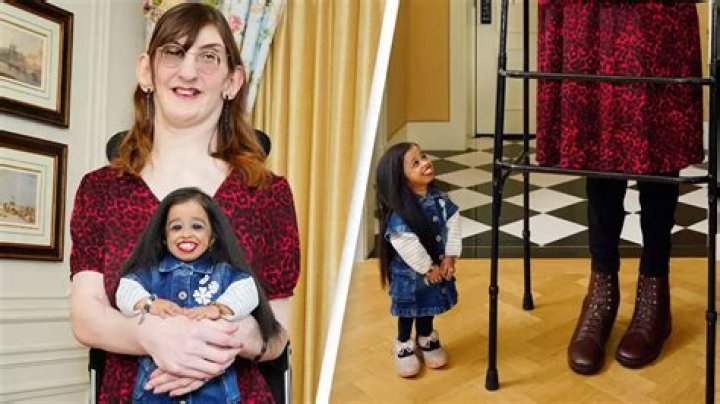
Who is considered the world's smallest girl, and what challenges and triumphs has she faced?
Jyoti Amge is an Indian actress notable for being the world's smallest living woman according to Guinness World Records. Standing at a height of 2 feet 0.6 inches (62.8 cm), Amge's petite stature has both presented challenges and opened doors to unique opportunities throughout her life.
Born with achondroplasia, a genetic condition that affects bone growth, Amge has faced discrimination and prejudice due to her size. However, she has also used her platform to raise awareness about dwarfism and advocate for the rights of people with disabilities. Amge made her acting debut in the Bollywood film "Bodyguard" (2011) and has since appeared in several Indian television shows and films, including "American Horror Story: Freak Show" (2014).
Amge's story is an inspiring example of overcoming adversity and embracing one's uniqueness. She has shown that people with disabilities can achieve great things and that true beauty and worth are not defined by physical appearance.
World's Smallest Girl
The title of "world's smallest girl" highlights the unique physical characteristic of an individual, typically referring to a female with an exceptionally short stature. This designation can have various implications, encompassing medical conditions, social perceptions, and personal experiences.
- Medical Condition: Achondroplasia, a genetic disorder, can result in dwarfism, leading to a petite frame.
- Social Perception: Individuals with dwarfism may face societal biases and discrimination due to their physical difference.
- Personal Triumph: Despite challenges, many individuals with dwarfism demonstrate resilience and achieve success in various fields.
- Body Proportion: The world's smallest girl often possesses proportionate features despite her diminutive size.
- Medical Care: Specialized medical care and support are crucial for individuals with dwarfism to manage their condition.
These aspects are interconnected and shape the experiences of the world's smallest girl. Medical advancements have improved the quality of life for individuals with dwarfism, while societal attitudes continue to evolve, promoting inclusivity and acceptance. Their personal triumphs serve as an inspiration, showcasing the strength and determination of the human spirit.
Medical Condition
Achondroplasia, a genetic disorder, is the most common cause of dwarfism, a condition characterized by a disproportionately short stature. It is caused by a mutation in the FGFR3 gene, which is responsible for regulating bone growth. Individuals with achondroplasia have shorter limbs, a large head, and a normal-sized trunk. The average height of an adult with achondroplasia is around 4 feet tall.
- Skeletal Development: Achondroplasia affects the development of cartilage and bone, leading to the characteristic short stature and skeletal abnormalities associated with dwarfism.
- Growth Hormone Deficiency: Individuals with achondroplasia may also have growth hormone deficiency, which can further contribute to their short stature.
- Joint Problems: People with achondroplasia may experience joint pain and mobility issues due to the abnormal bone growth.
- Respiratory Issues: The large head and narrow airway common in achondroplasia can lead to breathing difficulties.
Despite these challenges, individuals with achondroplasia can live full and active lives. They may require specialized medical care and support, but with proper management, they can achieve their full potential.
Social Perception
Individuals with dwarfism, including the world's smallest girl, often face societal biases and discrimination due to their physical difference. This can manifest in various forms, including prejudice, exclusion, and limited opportunities.
- Limited Social Acceptance: Individuals with dwarfism may encounter social stigma and prejudice, leading to difficulties in forming relationships and participating fully in society.
- Employment Discrimination: People with dwarfism may face discrimination in the workplace, limiting their career opportunities and economic mobility.
- Inaccessible Environment: The built environment is often not designed with individuals with dwarfism in mind, creating barriers to mobility and access to public spaces.
- Media Representation: Individuals with dwarfism are often underrepresented and misrepresented in the media, perpetuating stereotypes and limiting public understanding.
These societal biases and discrimination can have a significant impact on the lives of individuals with dwarfism, affecting their mental health, self-esteem, and overall well-being. It is essential to challenge these biases, promote inclusivity, and create a more equitable society for all.
Personal Triumph
Individuals with dwarfism, including the world's smallest girl, have demonstrated remarkable resilience and achieved success in a variety of fields, challenging societal perceptions and stereotypes.
- Artistic Expression: Many individuals with dwarfism have found success in the arts, including acting, music, and painting, using their unique perspectives and experiences to create powerful and moving works.
- Academic Achievement: Individuals with dwarfism have pursued higher education and achieved academic excellence, earning degrees in various fields and contributing to research and scholarship.
- Athletic Endeavors: Some individuals with dwarfism have excelled in sports, participating in everything from basketball to swimming, showcasing their determination and athleticism.
- Advocacy and Activism: Many individuals with dwarfism have become advocates for disability rights and awareness, using their platforms to challenge discrimination and promote inclusivity.
These personal triumphs not only demonstrate the resilience and capabilities of individuals with dwarfism but also challenge societal perceptions and stereotypes. They inspire others to embrace their differences and pursue their dreams, regardless of their physical characteristics.
Body Proportion
The body proportion of the world's smallest girl is a remarkable aspect of her condition. Despite her diminutive size, her features are often proportionate, meaning that her head, limbs, and torso are in harmony with each other. This is in contrast to some other forms of dwarfism, which can result in disproportionate growth.
The proportionate features of the world's smallest girl are important because they contribute to her overall health and well-being. Proper body proportions allow for normal movement, organ function, and social interaction. For example, her proportionate limbs enable her to walk and perform everyday tasks, while her proportionate head size ensures that her brain has adequate space to develop and function properly.
The world's smallest girl is a unique individual, and her proportionate features are just one aspect of her overall condition. However, her story highlights the importance of body proportion for individuals with dwarfism and the need for continued research and support.
Medical Care
For the world's smallest girl, specialized medical care and support are essential for her health and well-being. Individuals with dwarfism, including the world's smallest girl, may require ongoing medical attention to address the unique challenges associated with their condition.
- Growth Monitoring and Management: Regular monitoring of growth and development is crucial to ensure proper bone health and prevent complications.
- Skeletal Care: Individuals with dwarfism may require specialized orthopedic care to address bone deformities, joint pain, and mobility issues.
- Respiratory Management: Due to the potential for respiratory difficulties, individuals with dwarfism may need respiratory support and monitoring.
- Hormonal Therapy: Growth hormone therapy may be prescribed to stimulate growth and improve bone density.
Access to specialized medical care and support is vital for the world's smallest girl and other individuals with dwarfism to live healthy and fulfilling lives. Ongoing research and advancements in medical care continue to improve the quality of life for individuals with dwarfism.
FAQs on the World's Smallest Girl
This section addresses common questions and misconceptions surrounding the topic of the world's smallest girl, providing informative and factual answers.
Question 1: What is the cause of the world's smallest girl's condition?
Answer: The world's smallest girl's condition is typically caused by a genetic disorder called achondroplasia, which affects bone growth and results in dwarfism.
Question 2: What are the challenges faced by the world's smallest girl?
Answer: Individuals with dwarfism, including the world's smallest girl, may face various challenges, including mobility issues, joint pain, respiratory difficulties, and social discrimination.
Question 3: How is the world's smallest girl's condition treated?
Answer: The management of dwarfism involves a collaborative approach, including regular medical monitoring, specialized orthopedic care, respiratory support, and, in some cases, growth hormone therapy.
Question 4: What is the life expectancy of the world's smallest girl?
Answer: With proper medical care and support, individuals with dwarfism can generally live full and healthy lives, with a life expectancy comparable to the general population.
Question 5: How can we promote inclusivity and support for the world's smallest girl and others with dwarfism?
Answer: Fostering an inclusive society involves challenging stereotypes, providing accessible environments, and promoting equal opportunities for individuals with dwarfism.
Question 6: What advancements are being made in the research and treatment of dwarfism?
Answer: Ongoing research is focused on improving the understanding of the genetic causes of dwarfism and developing new therapies to enhance the quality of life for individuals with this condition.
These FAQs aim to provide a comprehensive overview of the world's smallest girl's condition, the challenges faced, and the importance of inclusivity and support.
Transition to the next article section:
For further insights into the experiences and perspectives of individuals with dwarfism, explore the personal narratives and advocacy work of those who have shared their stories.
Conclusion
The exploration of the "world's smallest girl" has shed light on the unique challenges and triumphs faced by individuals with dwarfism. It highlights the importance of medical care, social inclusion, and personal resilience in shaping their lives.
Beyond the physical aspects of dwarfism, the stories of these individuals serve as a reminder of the diversity and strength of the human spirit. They challenge societal norms and inspire us to embrace inclusivity and celebrate the beauty of difference. Continued research and support are essential to improve the quality of life for individuals with dwarfism and promote a more equitable and just society for all.
Learn About Shane Gillis' Siblings: Family Connections Explored
Is Iga Witek Dating Anyone? The Truth Revealed
Francis Ngannou: Colossal Height And Weight Stats Unveiled