Celebrities With Faces That Are Uneven And Far From Perfect
 Robert Spencer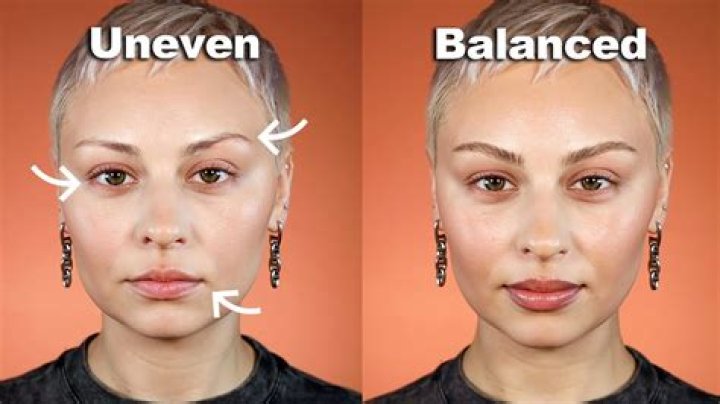
Have you ever wondered why some celebrities have uneven faces?
Celebrities with uneven faces are those who have a noticeable difference in the appearance of one side of their face compared to the other. This can be due to a variety of factors, including genetics, injury, or surgery.
In some cases, celebrities with uneven faces may choose to undergo surgery to correct the asymmetry. However, others may embrace their unique features and use them to their advantage.
There are many famous celebrities with uneven faces, including Kate Moss, Victoria Beckham, and Joaquin Phoenix. These celebrities have all achieved great success in their respective fields, proving that having an uneven face does not have to be a barrier to success.
Celebrities with Uneven Faces
Celebrities with uneven faces are those who have a noticeable difference in the appearance of one side of their face compared to the other. This can be due to a variety of factors, both genetic and environmental.
- Genetics: Some people are born with uneven faces due to the way their genes are expressed. This can result in a variety of different facial asymmetries, including differences in the size and shape of the eyes, nose, and mouth.
- Injury: A facial injury can also cause an uneven face. This can happen if the injury damages the muscles or bones of the face, or if it causes scarring.
- Surgery: Some people choose to undergo surgery to correct an uneven face. This surgery can be performed to improve the appearance of the face, or to correct a functional problem, such as difficulty breathing or eating.
- Medical conditions: Certain medical conditions can also cause an uneven face. These conditions include Bell's palsy, which is a temporary paralysis of the facial muscles, and stroke, which can damage the nerves that control the muscles of the face.
- Aging: As people age, their faces can become more uneven. This is due to a variety of factors, including the loss of muscle tone, the thinning of the skin, and the sagging of the facial tissues.
- Lifestyle factors: Certain lifestyle factors can also contribute to an uneven face. These factors include smoking, drinking alcohol, and sun exposure.
- Perception: It's important to note that what one person considers to be an uneven face, another person may not. Beauty is subjective, and there is no one right way to look.
Celebrities with uneven faces are often in the public eye, and their faces are often scrutinized by the media and the public. This can lead to a lot of pressure to conform to unrealistic beauty standards. However, it is important to remember that uneven faces are a natural part of human variation. They are not a flaw, and they should not be seen as a sign of weakness or inadequacy.
There are many famous celebrities with uneven faces, including Kate Moss, Victoria Beckham, and Joaquin Phoenix. These celebrities have all achieved great success in their respective fields, proving that having an uneven face does not have to be a barrier to success.
| Name | Birth Date | Occupation |
|---|---|---|
| Kate Moss | January 16, 1974 | Model |
| Victoria Beckham | April 17, 1974 | Singer, fashion designer |
| Joaquin Phoenix | October 28, 1974 | Actor |
Genetics
The connection between genetics and uneven faces is significant. Genes play a major role in determining the development of the face, and variations in gene expression can lead to a wide range of facial features, including asymmetry.
- Facial development: Genes provide the instructions for the development of the face, including the size and shape of the facial bones, the placement of the eyes, nose, and mouth, and the development of the muscles and soft tissues of the face.
- Gene expression: The way that genes are expressed can vary from person to person, even among identical twins. This variation in gene expression can lead to differences in facial features, including asymmetry.
- Environmental factors: Environmental factors, such as diet, nutrition, and exposure to toxins, can also affect gene expression and contribute to the development of uneven faces.
Celebrities with uneven faces are often in the public eye, and their faces are often scrutinized by the media and the public. This can lead to a lot of pressure to conform to unrealistic beauty standards. However, it is important to remember that uneven faces are a natural part of human variation. They are not a flaw, and they should not be seen as a sign of weakness or inadequacy.
Injury
Facial injuries are a common cause of uneven faces, especially among celebrities. This is because celebrities are often involved in activities that put them at risk of facial injuries, such as sports, stunts, and car accidents.
- Trauma: Facial injuries can be caused by a variety of traumatic events, such as car accidents, sports injuries, and assaults. These injuries can damage the muscles, bones, and soft tissues of the face, leading to an uneven appearance.
- Surgery: Facial surgery can also cause an uneven face, especially if the surgery is not performed properly. This is because surgery can damage the muscles and nerves of the face, leading to asymmetry.
- Burns: Burns can also cause an uneven face, especially if they are severe. This is because burns can damage the skin and underlying tissues of the face, leading to scarring and asymmetry.
Celebrities with uneven faces often have to deal with a lot of scrutiny from the media and the public. This can lead to a lot of pressure to conform to unrealistic beauty standards. However, it is important to remember that uneven faces are a natural part of human variation. They are not a flaw, and they should not be seen as a sign of weakness or inadequacy.
Surgery
Surgery is a common option for celebrities with uneven faces who want to improve their appearance or correct a functional problem. Facial surgery can be performed to correct a variety of facial asymmetries, including differences in the size and shape of the eyes, nose, and mouth. It can also be used to correct facial injuries, such as those caused by accidents or trauma.
- Cosmetic surgery: Cosmetic surgery is performed to improve the appearance of the face. This type of surgery can be used to correct a variety of facial asymmetries, including differences in the size and shape of the eyes, nose, and mouth. It can also be used to improve the overall balance and symmetry of the face.
- Functional surgery: Functional surgery is performed to correct a functional problem, such as difficulty breathing or eating. This type of surgery can be used to correct a variety of facial asymmetries, including those that affect the airway or the ability to eat. Functional surgery can also be used to improve the overall health and well-being of the patient.
Celebrities with uneven faces who undergo surgery often experience a significant improvement in their appearance and quality of life. However, it is important to note that surgery is not always the best option for everyone. It is important to consult with a qualified plastic surgeon to discuss the risks and benefits of surgery before making a decision.
Medical conditions
Medical conditions can have a significant impact on the appearance of the face. This is especially true for conditions that affect the muscles or nerves of the face, as these can lead to asymmetry and unevenness.
- Bell's palsy: Bell's palsy is a temporary paralysis of the facial muscles. It can cause the muscles on one side of the face to weaken or become paralyzed, leading to an uneven appearance.
- Stroke: A stroke can damage the nerves that control the muscles of the face. This can lead to paralysis or weakness on one side of the face, resulting in an uneven appearance.
Celebrities with uneven faces who have medical conditions often have to deal with a lot of scrutiny from the media and the public. This can lead to a lot of pressure to conform to unrealistic beauty standards. However, it is important to remember that uneven faces are a natural part of human variation. They are not a flaw, and they should not be seen as a sign of weakness or inadequacy.
Aging
As people age, their faces naturally become more uneven. This is due to a variety of factors, including the loss of muscle tone, the thinning of the skin, and the sagging of the facial tissues. These changes can lead to a variety of facial asymmetries, including differences in the size and shape of the eyes, nose, and mouth.
- Loss of muscle tone: As people age, they lose muscle tone in their face. This can lead to the sagging of the facial tissues, which can cause the face to appear uneven.
- Thinning of the skin: The skin also becomes thinner as people age. This can make the face appear more wrinkled and uneven.
- Sagging of the facial tissues: The facial tissues also begin to sag as people age. This can lead to the formation of jowls and a double chin, which can further contribute to the uneven appearance of the face.
Celebrities with uneven faces are often in the public eye, and their faces are often scrutinized by the media and the public. This can lead to a lot of pressure to conform to unrealistic beauty standards. However, it is important to remember that uneven faces are a natural part of the aging process. They are not a flaw, and they should not be seen as a sign of weakness or inadequacy.
Lifestyle factors
Many celebrities with uneven faces have been open about their struggles with lifestyle factors that can contribute to facial asymmetry. Smoking, drinking alcohol, and sun exposure are all known to damage the skin and accelerate the aging process, which can lead to an uneven appearance.
- Smoking: Smoking damages the collagen and elastin in the skin, which can lead to wrinkles, sagging, and an uneven appearance. It can also cause the lips to become thinner and the teeth to become stained.
- Drinking alcohol: Drinking alcohol dehydrates the skin, which can lead to dryness, wrinkles, and an uneven appearance. It can also cause the face to become puffy and red.
- Sun exposure: Sun exposure damages the skin's DNA and can lead to wrinkles, age spots, and an uneven appearance. It can also cause the skin to become dry and rough.
Celebrities with uneven faces who are concerned about their appearance may want to consider making changes to their lifestyle, such as quitting smoking, drinking less alcohol, and protecting their skin from the sun. These changes can help to improve the overall health and appearance of the skin, and may help to reduce the appearance of an uneven face.
Perception
The perception of beauty is subjective, and there is no one right way to look. What one person considers to be an uneven face, another person may not. This is especially true for celebrities, who are often in the public eye and subject to scrutiny from the media and the public.
- Cultural influences: Cultural influences can play a major role in shaping our perception of beauty. In some cultures, certain facial features are considered to be more attractive than others. For example, in some cultures, a symmetrical face is considered to be more beautiful than an asymmetrical face.
- Personal experiences: Our personal experiences can also influence our perception of beauty. For example, if we have had a negative experience with someone who has an uneven face, we may be more likely to associate uneven faces with negative qualities.
- Media influences: The media can also influence our perception of beauty. The media often portrays celebrities with even, symmetrical faces, which can lead us to believe that this is the ideal standard of beauty. However, it is important to remember that the media does not always portray a realistic representation of beauty.
It is important to remember that beauty is subjective, and there is no one right way to look. Celebrities with uneven faces are just as beautiful as celebrities with even faces. It is important to celebrate diversity and to embrace all types of beauty.
FAQs on "Celebrities with Uneven Faces"
This section addresses common questions and misconceptions surrounding celebrities with uneven faces, providing informative answers based on expert knowledge and research.
Question 1: What causes uneven faces in celebrities?
Uneven faces can result from various factors, including genetics, facial injuries, medical conditions (such as Bell's palsy or stroke), aging, and certain lifestyle choices (like smoking, excessive alcohol consumption, and sun exposure).
Question 2: Are uneven faces a sign of health problems?
While some medical conditions can contribute to uneven faces, they are not necessarily indicative of underlying health issues. However, if the unevenness is sudden or accompanied by other symptoms, it's advisable to consult a healthcare professional for evaluation.
Question 3: Can uneven faces be corrected?
In some cases, surgical intervention may be an option to improve the symmetry of the face. However, it's crucial to weigh the potential risks and benefits thoroughly before considering surgery.
Question 4: Do celebrities with uneven faces face discrimination?
Celebrities with uneven faces may encounter societal pressures and scrutiny due to unrealistic beauty standards. However, it's important to challenge these biases and recognize the beauty in diversity.
Question 5: How can we promote inclusivity for celebrities with uneven faces?
By embracing diversity, challenging societal norms, and promoting positive representation in media, we can foster a more inclusive environment where celebrities with uneven faces feel valued and celebrated.
Question 6: What are some positive role models of celebrities with uneven faces?
Numerous celebrities have embraced their uneven faces and become role models for self-acceptance and inclusivity, including Kate Moss, Victoria Beckham, and Joaquin Phoenix, among others.
In conclusion, celebrities with uneven faces represent the diverse spectrum of human appearances. Understanding the causes, potential implications, and ways to promote inclusivity can help us challenge societal biases and celebrate the beauty in all its forms.
Transition to the next article section:
Celebrities with Uneven Faces
This exploration of "celebrities with uneven faces" has illuminated the multifaceted nature of facial asymmetry. We have examined the various causes, from genetics to lifestyle factors, and recognized that uneven faces are a natural part of human variation.
While societal pressures and unrealistic beauty standards may exist, it is crucial to challenge these biases and embrace the beauty and uniqueness of all faces. Celebrities with uneven faces serve as role models, reminding us that true beauty lies beyond conventional norms and that diversity should be celebrated.